
Workforce Capability Software
Build higher-quality workforce capability information by connecting role requirements, skills, competency, qualifications and workforce readiness in one configurable platform.
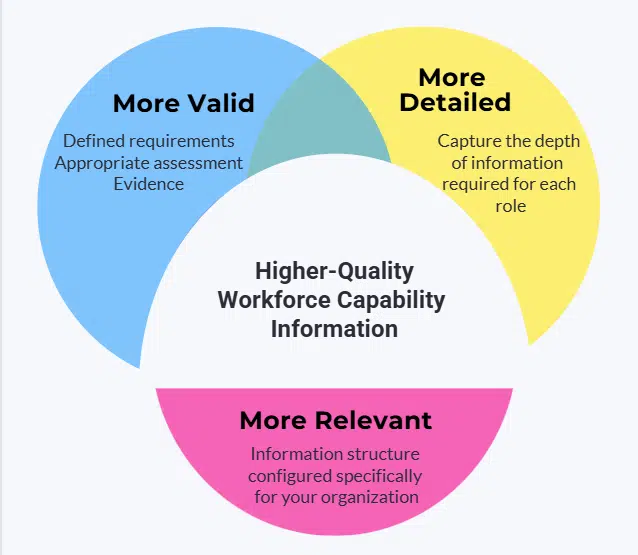
More Valid | More Detailed | More Relevant
Start with the processes you need today and expand over time—from straightforward skills visibility to complex competency assurance, development and succession.
The Workforce Information Gap
Most organisations already have workforce information spread across multiple systems, including:
- Job descriptions
- Training records
- Qualifications
- Skills matrices
- Assessments
- Performance and development records
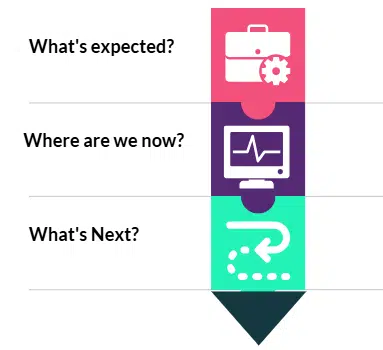
The challenge isn’t collecting more information. It’s connecting the right information to answer three critical workforce questions.
What’s Expected?
Where Are We Now?
What’s Next?
Learn how the Centranum Workforce Capability Model connects these three questions across the employee lifecycle.
Why Existing Approaches Fall Short
Visibility ≠ Capability
Skills matrices show coverage, but not always demonstrated capability.
Training ≠ Competency
Training completion does not necessarily indicate competent workplace performance.
AI ≠ Validation
AI can accelerate framework development and identify potential skills, but high-stakes decisions still require appropriate validation.
Standards ≠ One Size Fits All
Every organization defines workforce capability differently. Standardised frameworks do not fit every workplace.
One Platform for Higher-Quality Workforce Capability Information
Higher-quality workforce capability information is not about collecting more information. It’s about ensuring the information that is collected is:
- More valid – based on defined role requirements, appropriate assessment methods and supporting evidence.
- More detailed – capturing the depth needed for different roles, industries, risks and operating environments
- More relevant – configured to capture the information that matters to your organization, rather than relying on standardized workforce models or generic competency structures.
AI-assisted where it helps. Human validation where it matters.
The same workforce capability information can be used to:
- Define role requirements and capability expectations.
- Assess skills, competency, qualifications and supporting evidence.
- Understand workforce readiness across individuals, teams and the organisation.
- Develop people through performance management and targeted development planning.
- Grow careers, internal mobility and succession capability.
Where Would You Like to Start?
Every organization has different workforce capability priorities. Some begin by replacing spreadsheets with a digital skills matrix. Others need structured competency management, workforce readiness or support for career development and succession. Centranum is configured around the workforce capability processes that matter most to your organization and can expand as your requirements evolve.
The important decision isn’t which module to implement first—it’s building higher-quality workforce capability information that can be reused across workforce readiness, performance, development, career mobility and succession as your organization grows.
Core Solutions
Skills & Competency

Define skills, competency frameworks, assessment criteria and supporting evidence within one configurable workforce capability platform.
Build higher-quality competency information that reflects how your organisation defines, measures and validates demonstrated proficiency.
Workforce Readiness

Evaluate workforce readiness against your organization’s configured role requirements—including capability requirements such as qualifications, training, certifications and experience, together with demonstrated competency.
Understand who meets current role requirements, where gaps exist and how readiness changes over time across individuals, teams and the organization.
Career Development & Succession

Career pathways, role readiness, succession planning and internal mobility. Built on role requirements, competence and performance data.
Helps organisations identify readiness for future roles and reduce succession risk.
Specialized Environments
Clinical Competency Management

Clinical competency frameworks, onboarding, structured assessment workflows and evidence management designed for healthcare environments.
Support onboarding, ongoing clinical competency and workforce readiness while helping organisations prepare for accreditation, competency review and regulatory requirements.
Operational Skills Management

Operational skills matrices, knowledge validation, task competency and workforce readiness linked to workstations, machines, equipment and defined operational roles and standards.
Replace spreadsheet-based skills tracking with structured operational skills management that supports workforce deployment, compliance and day-to day operational readiness.
Why Organizations Choose Centranum
Centranum helps organizations build higher-quality workforce capability information without forcing them into a fixed implementation model. Start with the workforce process that matters most today, then expand as requirements evolve.
Start Focused and Expand
Begin with one workforce group, site, department or priority process—such as skills visibility, competency assessment, qualifications or readiness—then expand into performance, development, career and succession without changing platforms.
Configured Around Your Organization
Supports different industries, workflows, assessment approaches and levels of complexity through configuration rather than custom development.
Simple Through Sophisticated
Supports straightforward skills visibility as well as complex, risk-based competency assurance and workforce readiness requirements.
Professional and Operational Workforces
Use the same platform for office-based, technical, clinical, frontline and safety-critical roles.
One Connected Workforce Capability Platform
Connect role requirements, capability, competency, qualifications, assessments, evidence, workforce readiness, development and career processes within a single configurable platform—reducing duplication and improving consistency.
Higher-Quality Workforce Capability Information
Capture workforce information that is more valid, more detailed and more relevant to your organisation—providing a stronger foundation for operational, compliance and workforce development decisions.
Enterprise-Ready and Proven
- More than 20 years supporting workforce capability
- SOC 2 Type II independently audited
- Role-based access and audit trails
- Regional hosting and enterprise integration options
Our clients say it best


FAQs
What is workforce capability software?
Workforce capability software helps organisations define role requirements, manage capability and competency information, track qualifications and workforce readiness, and support workforce development. By connecting workforce information in a single platform, organisations gain better visibility of current capability and can make more informed operational, development and workforce planning decisions.
What makes workforce capability information higher quality?
Higher-quality workforce capability information is not about collecting more information. It is about ensuring the information collected is appropriate for your organization’s needs. This typically means information that is based on clearly defined role requirements, supported by appropriate assessment and evidence, captures the level of detail required, and is configured to reflect how your organization defines workforce capability.
How is workforce capability different from competency management?
Workforce capability focuses on whether people meet the overall requirements of a role, including qualifications, certifications, training, experience, and other prerequisites. Competency management focuses on assessing how effectively knowledge and skills are applied in practice. Together they provide a more complete view of workforce readiness.
Can Centranum replace spreadsheet-based skills matrices?
Yes. Many organisations begin by replacing spreadsheet-based skills matrices with structured skills and competency management. As workforce capability requirements evolve, the same platform can support qualifications, competency assessment, workforce readiness, performance, career development and succession planning without changing systems.
Why is configurability important in workforce capability management?
No two organizations define workforce capability in exactly the same way. Different industries, operating environments and regulatory requirements influence what information needs to be captured, assessed and maintained. Centranum is designed to be configured around your organisation’s role structures, capability requirements, competency frameworks, assessment methods, qualifications, evidence and workforce readiness criteria – without requiring custom development.
Why is connecting workforce capability information important?
Centranum connects role requirements, capability – qualifications, experience and other credentials, skills and competency, assessments and workforce readiness within a single configurable platform. The same workforce capability information is then used to support performance management, development planning, career pathways, internal mobility and succession planning – providing greater consistency and reducing reliance on disconnected systems or duplicate data.